Introduction: The Importance of Digital Marketing for Export Companies
In the digital age, digital marketing has become an essential tool for export companies to expand into global markets. Through effective digital marketing strategies, you can break through geographical limitations, reach potential customers worldwide, build brand awareness, and ultimately achieve business growth.
1. Building a Professional Foreign Trade Website
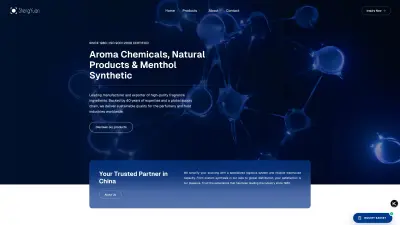
Website Design and Functionality
- Responsive Design: Ensure the website displays properly on all devices.
- Multilingual Support: Provide multilingual versions based on target markets.
- Professional Content: Showcase company strength, product information, and customer cases.
- Clear Navigation: Make it easy for potential customers to find the information they need quickly.
Website Optimization
- Page Loading Speed: Optimize images and code to improve page loading speed.
- Mobile-Friendly: Ensure a good experience on mobile devices.
- Security: Use HTTPS to protect user information security.
- Contact Information: Provide multiple contact methods in prominent positions on the website.
2. Search Engine Optimization (SEO)
Keyword Research
- Industry Keywords: Research industry keywords in target markets.
- Long-Tail Keywords: Focus on long-tail keywords with lower competition but higher conversion rates.
- Localized Keywords: Target localized keywords for different countries and regions.
Content Optimization
- High-Quality Content: Create valuable, original content.
- Keyword Placement: Reasonably place keywords to avoid over-optimization.
- Meta Tag Optimization: Optimize title, description, and keyword tags.
- Internal Links: Establish a reasonable internal link structure.
Technical SEO
- Website Structure: Optimize website structure for search engine crawling.
- XML Sitemap: Create and submit XML sitemaps.
- robots.txt: Correctly configure robots.txt files.
- Schema Markup: Use Schema markup to enhance search result display.
3. Social Media Marketing
Platform Selection
- LinkedIn: The preferred platform for B2B business, suitable for building professional networks.
- Facebook: The world's largest social media platform, suitable for brand promotion.
- Instagram: Visual content-focused, suitable for showcasing products and corporate culture.
- Twitter: Real-time information sharing, suitable for news and industry trends.
- TikTok: Short video platform, suitable for young audiences and creative content.
Content Strategy
- Content Planning: Develop a social media content calendar to maintain posting frequency.
- Content Types: Mix articles, images, videos, and interactive content.
- Localized Content: Adjust content according to the culture and language of different markets.
- Interaction Strategy: Actively reply to comments and participate in industry discussions.
4. Content Marketing
Content Creation
- Blog Posts: Create industry-related blog posts to showcase professional knowledge.
- White Papers: Publish in-depth research reports to establish industry authority.
- Case Studies: Share success cases to prove product value.
- Video Content: Create product demonstrations, customer testimonials, and corporate story videos.
Content Distribution
- Owned Channels: Website, blog, email newsletter.
- Social Media: Share content on various social platforms.
- Industry Platforms: Publish content on industry forums and platforms.
- Cooperative Promotion: Collaborate with industry influencers and partners for promotion.
5. Email Marketing
Email List Building
- Website Registration: Set up email subscription forms on the website.
- Exhibition Collection: Collect potential customer emails at exhibitions.
- Purchased Lists: Carefully purchase industry-related email lists.
- Social Platforms: Guide users to subscribe through social platforms.
Email Content Strategy
- Welcome Emails: Welcome emails for new subscribers.
- Product Updates: Product information and promotional activities.
- Industry News: Share industry trends and developments.
- Personalized Content: Send personalized emails based on user interests and behaviors.
Email Optimization
- A/B Testing: Test different email subjects, content, and sending times.
- Email Design: Ensure emails display correctly in various email clients.
- Compliance: Comply with data protection regulations such as GDPR.
- Analysis and Optimization: Track email open rates, click-through rates, and conversion rates.
6. Paid Advertising
Search Engine Advertising
- Google Ads: Run ads through Google Search and Display Network.
- Bing Ads: Reach users who use Bing search engine.
- Yandex: Target Russian and Eastern European markets.
Social Media Advertising
- Facebook Ads: Precisely target the target audience.
- LinkedIn Ads: Target professionals and business decision-makers.
- Instagram Ads: Visual-effect-focused ads.
- YouTube Ads: Video ads.
Other Paid Channels
- Industry Platform Advertising: Run ads on industry professional platforms.
- Retargeting: Retarget users who have visited the website.
- Affiliate Marketing: Promote products through partners.
7. Data Analysis and Optimization
Key Metrics
- Website Traffic: Visits, sources, and dwell time.
- Conversion Rate: Inquiry rate, order conversion rate.
- Social Media Performance: Follower growth, engagement rate.
- Ad Effectiveness: Click-through rate, conversion rate, ROI.
Analysis Tools
- Google Analytics: Website traffic and user behavior analysis.
- Google Search Console: SEO performance analysis.
- Social Media Analytics: Built-in analysis tools of each platform.
- CRM System: Customer relationship management and sales data analysis.
Optimization Strategies
- Data-Driven Decisions: Adjust marketing strategies based on data analysis.
- Continuous Testing: Test different strategies and creatives.
- Budget Optimization: Allocate budget to the most effective channels.
- Regular Evaluation: Regularly evaluate marketing effectiveness and adjust strategies.
8. Case Studies: Successful Digital Marketing for Export Companies
Case Study 1: A Mechanical Equipment Export Company
- Challenge: Traditional foreign trade model with high customer acquisition costs.
- Strategy: Built a multilingual website, optimized SEO, and promoted through LinkedIn and industry platforms.
- Result: Website traffic increased by 300%, inquiries increased by 200%, and customer acquisition costs decreased by 40%.
Case Study 2: A Clothing Export Company
- Challenge: Low brand awareness and difficulty in expanding international markets.
- Strategy: Used Instagram and TikTok to showcase products, collaborated with fashion influencers, and held online promotion activities.
- Result: Brand awareness significantly improved, overseas orders increased by 150%, and customer base expanded.
9. Future Trends in Digital Marketing
Emerging Technologies
- AI and Machine Learning: Personalized marketing and intelligent customer service.
- Virtual Reality (VR) and Augmented Reality (AR): Product display and customer experience.
- Voice Search: Optimizing voice search keywords.
- Metaverse: Exploring marketing opportunities in virtual worlds.
Changes in Consumer Behavior
- Social Media Shopping: Popularization of direct shopping functions on social platforms.
- Content Consumption Habits: Growth of short videos and interactive content.
- Sustainable Consumption: Consumers' preference for sustainable brands.
- Localization Needs: Increased demand for localized content and experiences.
Conclusion: Integrated Digital Marketing Strategy
Successful digital marketing for export companies requires integrating multiple channels and strategies, developing personalized marketing plans based on target markets and product characteristics. By building a professional website, optimizing SEO, utilizing social media, creating valuable content, implementing email marketing, running paid ads, and continuously analyzing and optimizing, you can establish a strong brand presence in global markets, attract high-quality potential customers, and ultimately achieve business growth.
Remember that digital marketing is a continuous process that requires constant learning and adaptation to new trends and technologies. Maintaining an innovative spirit and focusing on customer needs are the keys to digital marketing success.